
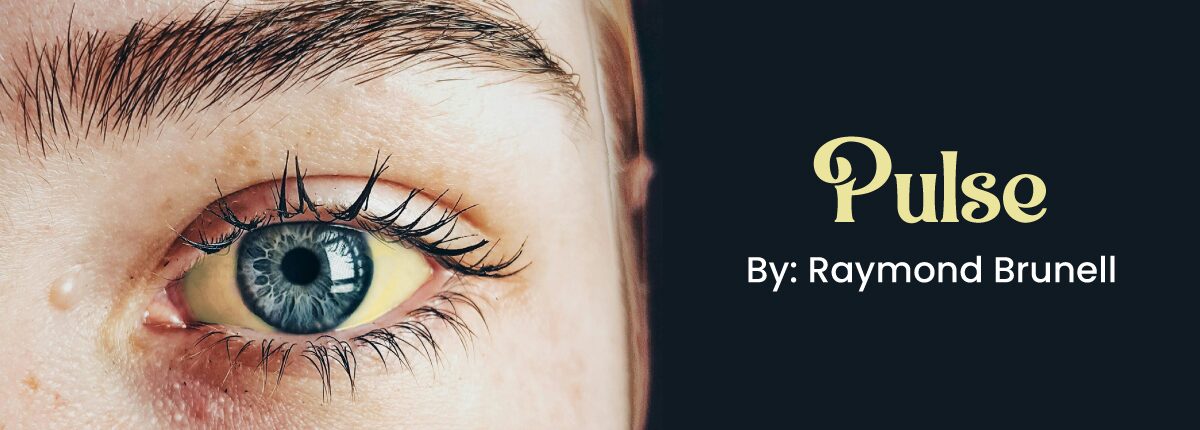
Vanessa Reyes pressed two fingers to her wrist before entering the patient’s room. Her lips moved silently. Twelve seconds. She released her wrist and pushed open the door.
The woman in the bed was her age, could be younger — pale against starched white sheets, the room’s antiseptic smell almost masking something sweeter beneath. Liver cancer, the chart said. End stage. The woman’s eyes opened when Vanessa sat in the chair beside the bed. A monitor beeped somewhere behind the headboard, steady and mechanical.
“I’m Vanessa. I’m the chaplain here.”
“I’m cold.” The woman’s voice was thin.
Vanessa reached for the blanket, then stopped. She took the woman’s hands instead. Ice. She held them between her own palms, waiting for warmth to transfer. The woman’s fingers were slight, the bones visible beneath the skin.
The woman’s face changed. Something in the jaw relaxed.
“Thank you.”
Vanessa nodded and released the hands. She pulled the blanket higher and tucked it around the woman’s shoulders, the fabric rough under her fingertips.
“Do you want me to sit with you?”
“Yes.”
They sat in silence. Vanessa’s gaze moved to the window. Outside, someone was trimming hedges. The sound of the shears carried through the glass, rhythmic and sharp.
“Your eyes,” the woman said.
Vanessa looked back at her.
“They’re yellow.”
“Yes.”
“Why?”
“I had hepatitis when I was young. It left them this way.”
The woman studied her face; her own yellow-tinged eyes unblinking. “Does it hurt?”
“No.”
“Were you sick for a long time?”
“A while. I got better.”
The woman’s fingers picked at the edge of the blanket. Outside, the shears continued their rhythm. “My eyes are yellow now too. The jaundice. From the liver failing.”
Vanessa’s hands rested in her lap. “How are you feeling today?”
“I look like you,” the woman said. Her voice was quiet but direct. “Same age, same eyes. We could be sisters.”
“I’m here if you want to talk. Or if you’d rather be quiet, that’s fine too.”
The woman watched her, her gaze steady despite the exhaustion visible in the hollows beneath her cheekbones. “Are you dying?”
Vanessa pressed her lips together. Her fingers found her wrist. She counted. The monitor beeped. Twenty seconds this time.
“No,” she said. “I’m here to sit with you.”
“But you look—”
“I had an illness when I was ten. I recovered. My eyes stayed yellow, but I’m healthy.”
The woman nodded with a gentle sway. Her gaze didn’t leave Vanessa’s face. “It’s… you look like me. I thought you were sick too.”
“I’m not sick.”
“Okay.” The woman’s eyes drifted closed. Her breathing slowed, deeper now, her chest rising and falling beneath the blanket.
Vanessa sat without moving. Her fingers were on her wrist again. She counted. Lost her place. Started over. The monitor continued its steady beep. The woman’s chest rose and fell.
After several minutes, Vanessa stood. She walked to the door, her shoes silent on the linoleum, and closed it behind her.
The chapel was empty except for donated flowers on the small table near the front—roses and lilies wilting in the air that felt too warm, their edges browning.
The overhead lights hummed. Vanessa sat in the back row, the wooden pew hard beneath her.
Her fingers found her wrist.
She counted.
Her hands shook. She gripped her wrist harder and counted again, trying to hold the numbers steady in her mind. Thirty seconds. Forty. She lost count.
Her breath came faster. She pressed both hands flat against her thighs and stared at the wilting flowers, at the browning edges of the petals, and at the way the stems bent under their own weight.
She couldn’t stop seeing the woman’s face. The same age. The same yellow eyes. The same question hangs in the air between them.
Are you dying?
Her fingers were on her wrist again, pressing hard enough to feel bone. She counted aloud this time, whispering numbers that kept breaking. “One, two, three—” Her voice cracked. She started over. “One, two—”
She couldn’t find her pulse. Or she found it and it was racing, her fingers struggling to keep count.
Her shoulders shook. She bent forward, her face in her hands, and the counting stopped. She sat there breathing—in, out, in—while the fluorescent lights hummed overhead and the flowers died in their vase.
After a long time, she lifted her head. She pressed the heels of her palms against her eyes until she saw colors. When she lowered her hands, they didn’t go to her wrists.
She stood, steadying herself against the pew for a moment before straightening. The chapel was still empty. The flowers were still dying, their petals beginning to fall. She walked back down the hallway, past the fluorescent hum of the nurses’ station, past the supply closet with its half-open door.
She stopped outside the woman’s room. Through the window in the door, she could see the woman’s shape in the bed, still sleeping, the blanket rising and falling with each breath.
Vanessa opened the door and went inside. She sat down in the chair beside the bed. Her hands rested in her lap. The monitor beeped its steady rhythm. The woman’s breathing continued, slow and even.
Vanessa watched the rise and fall of the blanket. She didn’t check her pulse. She sat there, listening to the monitor’s mechanical heartbeat, waiting for the woman to wake.